Enhancing Awareness of the Benefits of the European Union, Using the Example of the Czech Republic, for Mayors from Vulnerable Communities in the Republic of Moldova
The project “Enhancing Awareness of the Benefits of the European Union, Using the Example of the Czech Republic, for Mayors from Vulnerable Communities in the Republic of Moldova” was implemented by the Centre for Civic Initiatives for National Minorities (ICPMN) with the support of the Czech Republic Transition Promotion Program.
The project aimed to increase knowledge and practical understanding of European integration among mayors of localities with a high proportion of national minority residents, particularly in the rural regions of the Republic of Moldova.
The main idea of the project was to familiarise local leaders not only with the theoretical principles of the European Union, but especially with the concrete results of European integration at the level of small towns and rural municipalities in the Czech Republic—the development of infrastructure, improved public services, support for small and medium-sized businesses, access to European funding and the development of local communities.
The problem addressed by the project: In the Republic of Moldova, part of the population in rural regions and national minority communities continues to view European integration with distrust and concern. Public perceptions are influenced by disinformation and Russian propaganda, insufficient knowledge about how the European Union functions and the lack of personal experience of interacting with EU countries.
Residents of rural localities and members of older generations remain particularly vulnerable, as they travel less frequently to European Union countries and rely more heavily on local information networks and media.
In this context, mayors play an important role, as they are among the public authorities closest to citizens. They interact directly with residents, understand the problems of their communities and can explain complex political processes through concrete examples of local development.
However, in order to speak professionally about European integration, mayors need practical knowledge of how EU membership affects the development of municipalities, infrastructure, the economy and public services.
For this reason, the project focused on directly familiarising Moldovan mayors with the experience of the Czech Republic.
The objective of the project was to increase mayors’ knowledge and practical understanding of European integration and strengthen their capacity as local leaders who can inform residents about the benefits of European integration and counter disinformation through clear and concrete examples.
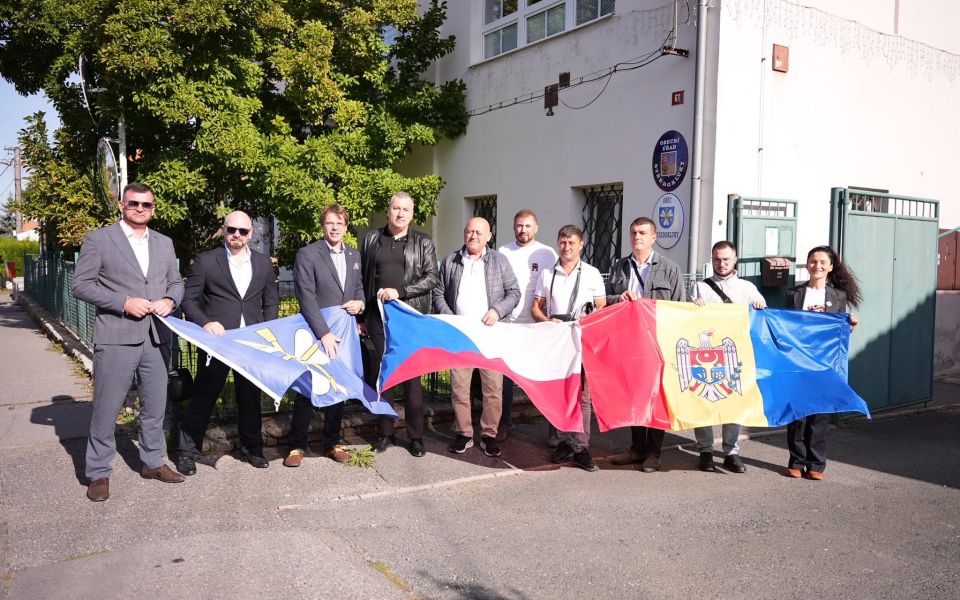
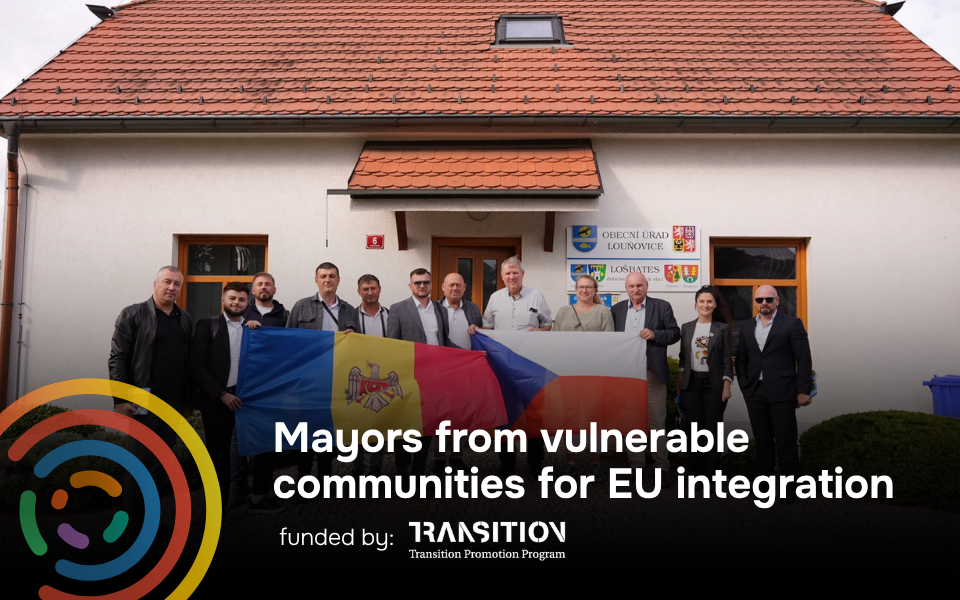
As part of the project, a five-day study visit to the Czech Republic was organised for a delegation of 10 people. The group included 8 mayors from localities with ethnic communities—4 representatives from the southern and 4 from the northern regions of the Republic of Moldova, one civil society representative serving as programme coordinator and one journalist-videographer.
The participants mainly represented rural localities with a significant proportion of national minority residents.
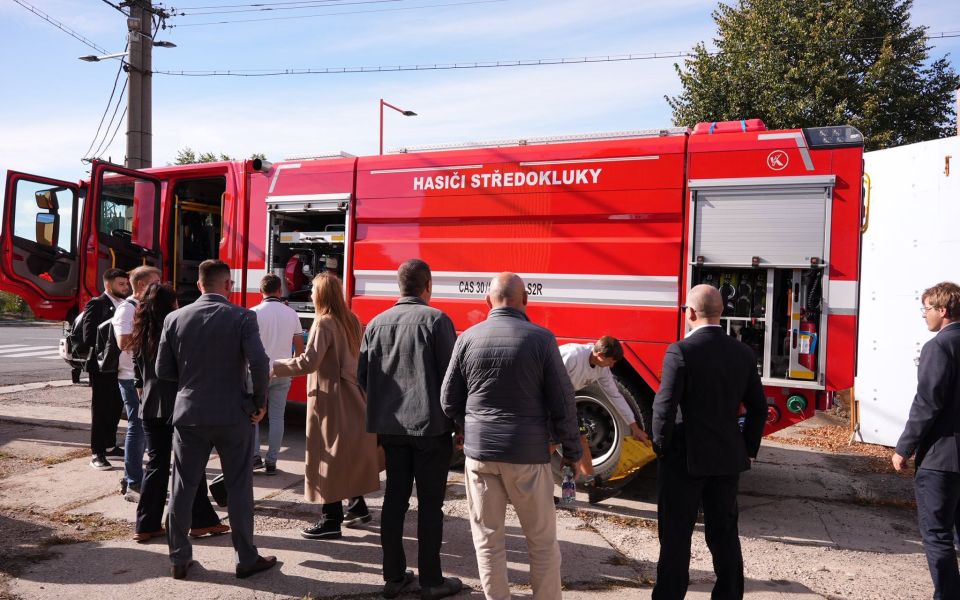
The main part of the study visit focused on the experience of four rural municipalities in the Czech Republic that had undergone significant development after the country joined the European Union.
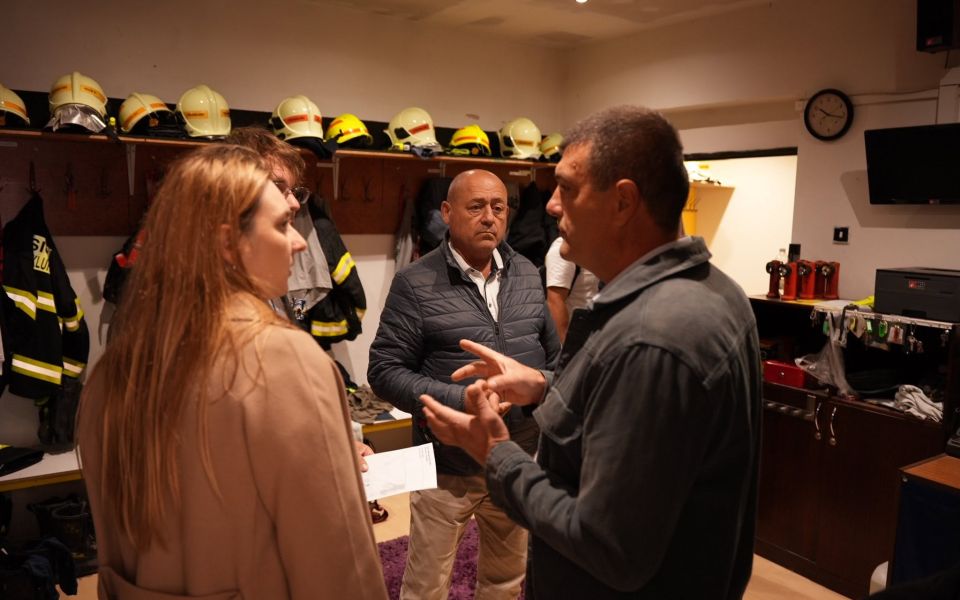
In each municipality, the delegation met with local mayors. Czech local government representatives shared their experience of strategic local development, interaction with residents, the use of European Union opportunities and the implementation of local development projects.
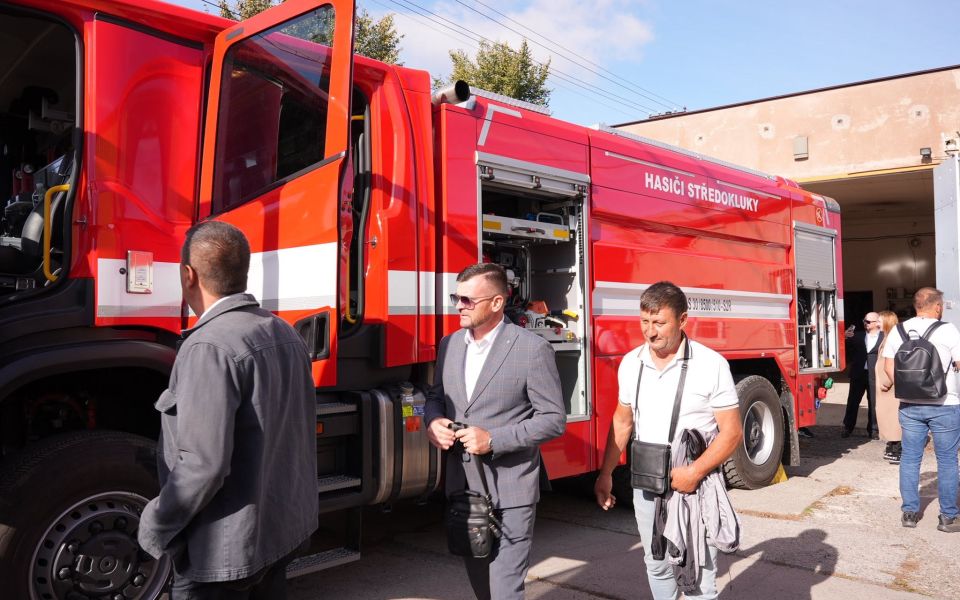
Participants also visited infrastructure facilities and projects implemented with European Union support. Particular attention was paid to how European funding and national development programmes were transformed into concrete changes in small localities.
As a result, Moldovan mayors were able to see in practice how European integration can improve roads and public infrastructure, develop public spaces and municipal services and enhance the overall quality of life of residents.
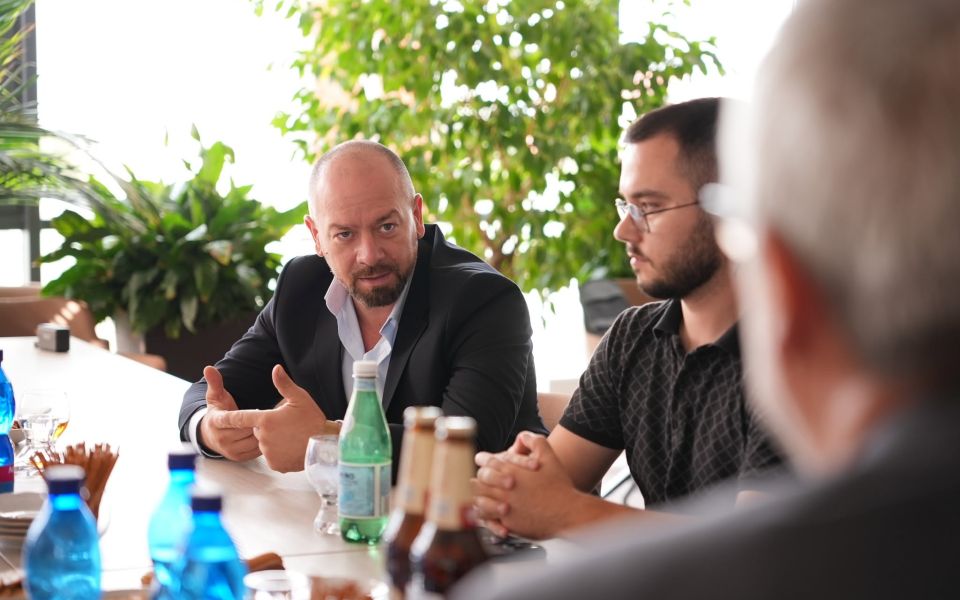
A separate part of the programme focused on small and medium-sized businesses. The delegation met local business representatives and learned about the opportunities that EU membership created for entrepreneurs, local economic development and the resilience of rural areas.
This approach allowed participants to view European integration not only as a foreign policy or institutional process, but also as a practical tool for developing a specific town or village.
Following the visit, each participating mayor was able to identify practices and approaches that could be adapted to their own locality and develop an individual vision for applying the experience gained.
An important part of the project was the media component, which helped disseminate the results of the study visit beyond the immediate group of participants.
A journalist-videographer accompanied the delegation and documented the meetings, municipal visits, participants’ experiences and the main conclusions of the trip.
Five media materials in the form of reports, interviews and videos were produced, focusing on the Czech experience, the development of municipalities after the country joined the European Union and the impressions of Moldovan mayors.
The materials were distributed through online platforms, ICPMN’s social media channels and media outlets targeting audiences in regions with compact national minority populations.
This enabled the project to share the Czech experience not only with the direct participants, but also with a wider audience in the Republic of Moldova.
Another project direction was the development of international and intermunicipal contacts.
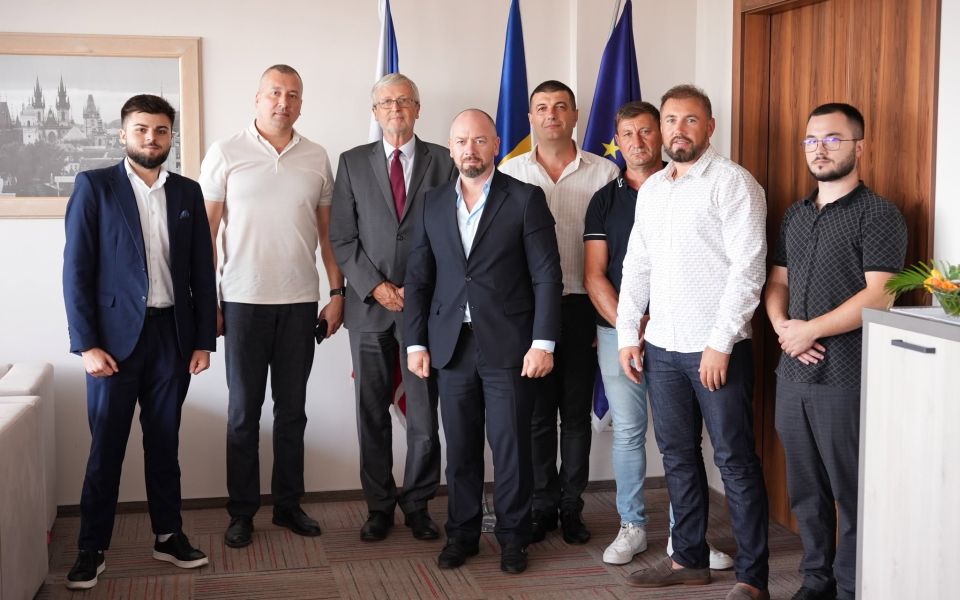
The visit created opportunities for direct interaction between Moldovan and Czech local government representatives, civil society organisations and business representatives.
Participants exchanged contacts and discussed possible areas for future cooperation, exchanges and joint projects.
Special attention was given to meeting the Moldovan diaspora in Prague. Diaspora representatives shared their experiences of living and working in a European Union member state, spoke about social and professional opportunities and discussed their own perceptions of the European integration of the Republic of Moldova.
The programme also included an official meeting with representatives of the Republic of Moldova in the Czech Republic. The meeting addressed Moldovan-Czech relations, the European integration process and the role of local public authorities in bringing European opportunities closer to citizens.
Cultural and institutional visits complemented the main educational programme and gave participants a broader understanding of the social, economic and institutional changes that took place in the Czech Republic after it joined the European Union.
After returning to the Republic of Moldova, the project continued at the level of local communities.
The participating mayors received tools and information materials for further communication with residents. The main focus was on explaining European integration through concrete examples observed during the study visit: infrastructure development, European funds, business opportunities, improved public services and a better quality of life in rural municipalities.
The project therefore used the model “see — understand — adapt — share with the community.”
As a result of the project:
- 8 mayors from localities with a high proportion of national minority residents in the southern and northern regions of the Republic of Moldova participated in a five-day study visit to the Czech Republic;
- participants directly learned about the development of Czech municipalities after the country joined the European Union;
- 4 rural localities in the Czech Republic were visited and concrete examples of local development were examined;
- meetings were held between Moldovan mayors and Czech local government representatives;
- participants learned about infrastructure projects and initiatives implemented with European Union support;
- the experience of small and medium-sized business development and the use of European opportunities at the local level was examined;
- mayors received practical examples and tools for explaining the benefits of European integration to residents of their communities;
- the capacity of local leaders to counter disinformation through concrete examples of European development was strengthened;
- a meeting was held with representatives of the Moldovan diaspora in Prague;
- institutional and international meetings focused on the European integration of the Republic of Moldova were organised;
- new contacts were established between representatives of local authorities from the Republic of Moldova and the Czech Republic;
- 5 media materials were produced about the study visit, the experience of Czech municipalities and the participants’ conclusions;
- the project results were shared with a wider audience through social media, online platforms and regional media;
- a foundation was created for future intermunicipal exchanges and cooperation between Moldovan and Czech partners.
The “Enhancing Awareness of the Benefits of the European Union, Using the Example of the Czech Republic, for Mayors from Vulnerable Communities in the Republic of Moldova” project demonstrated the effectiveness of a practical approach to communicating European integration.
Instead of an abstract discussion about the European Union, participants had the opportunity to see how European integration can translate into concrete changes at the level of a small town or village.
It was particularly important that the recipients of this knowledge were local mayors—people who interact with residents every day and are able to explain the benefits of European integration through the needs of a specific community.
Through the project, European integration was presented not only as a negotiation process between Chișinău and Brussels, but also as a potential tool for local development: improving infrastructure, increasing the quality of public services, supporting entrepreneurship and creating new opportunities for residents of rural regions.
The project also laid the foundation for a community of local leaders capable of using the European experience they gained in their future work and acting as local champions of European integration in national minority communities across the Republic of Moldova.