National Forum of Ethnic Minorities 2025
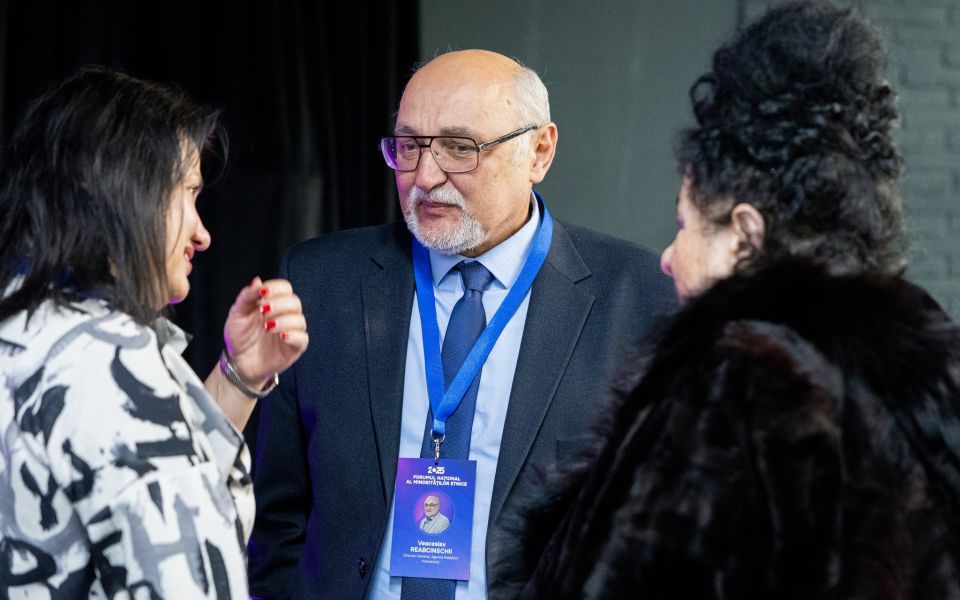
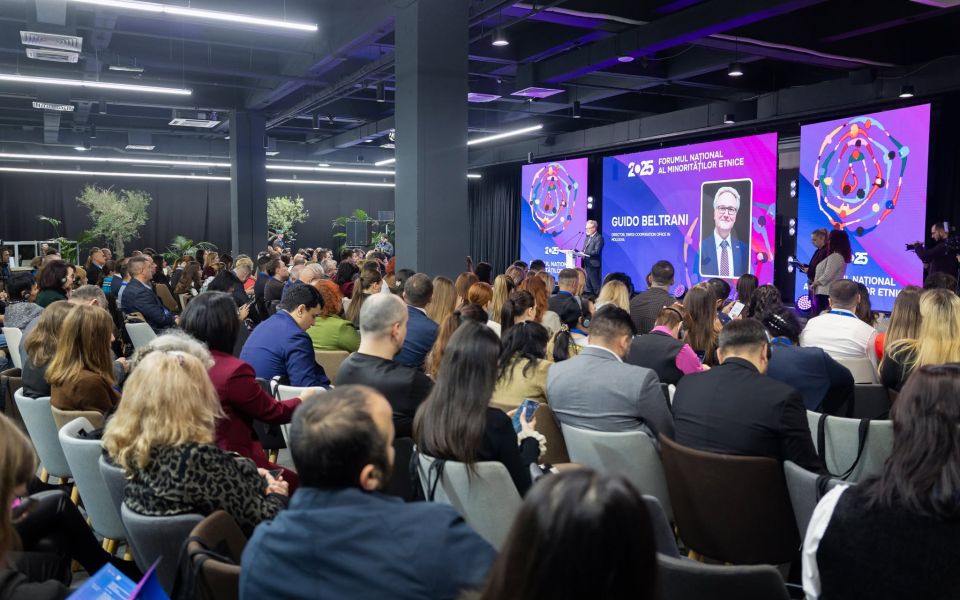
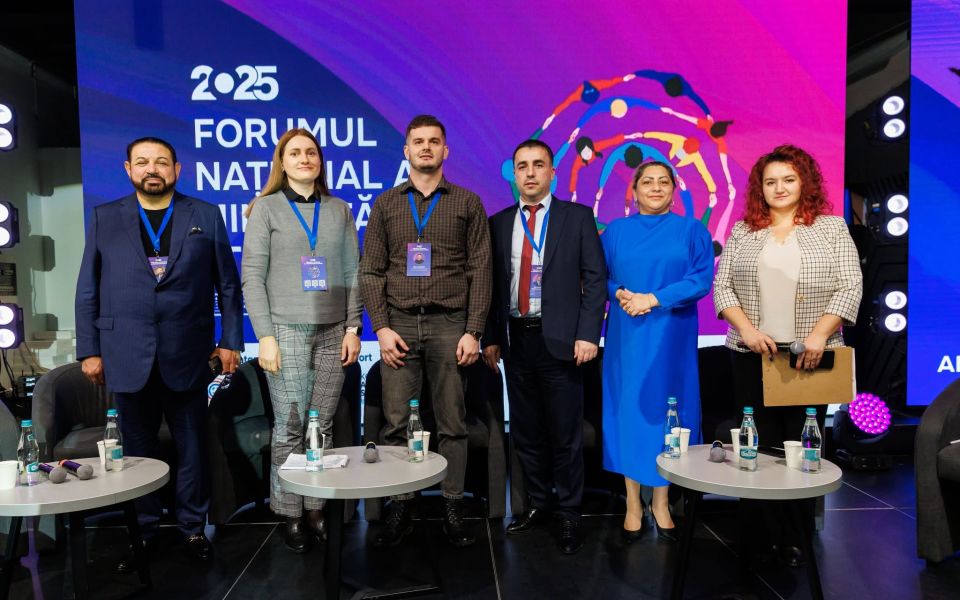
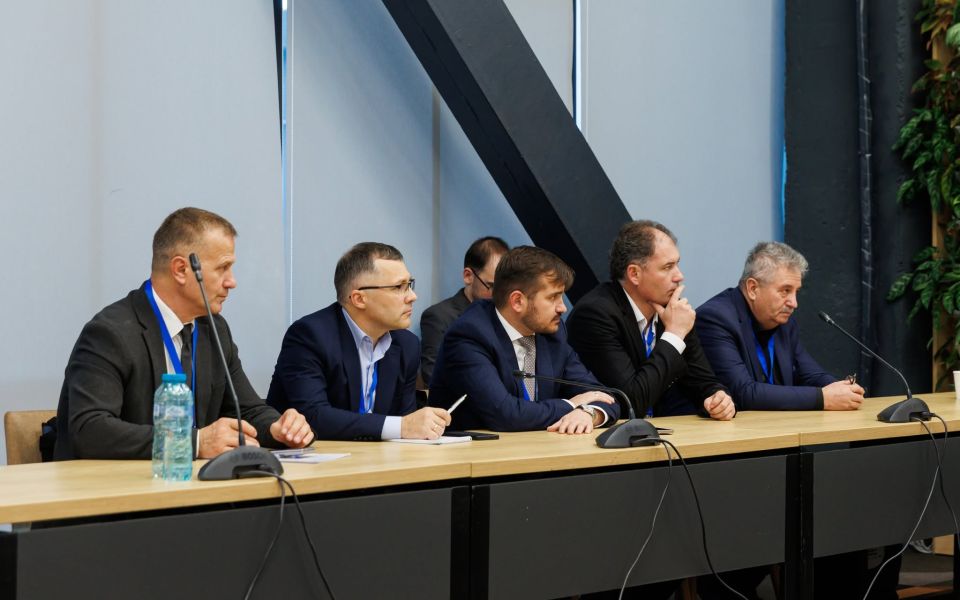
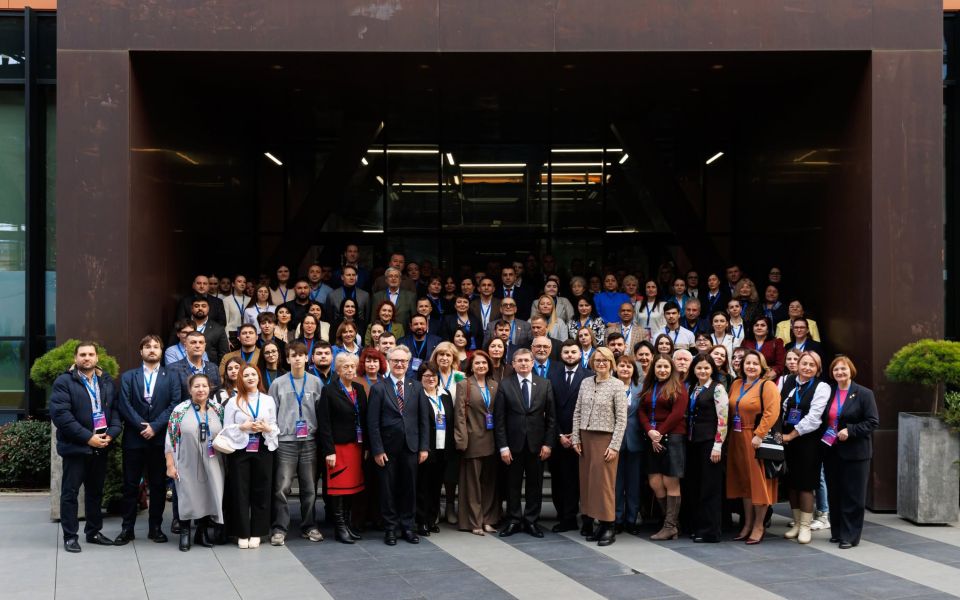
On 13 December 2025, the National Forum of Ethnic Minorities 2025 took place at Digital Park in Chișinău. It was one of the most important national platforms for dialogue between representatives of ethnic communities, state institutions, local public authorities, civil society, international partners, experts, journalists and young people.
The Forum was organised by the Centre for Civic Initiatives for National Minorities (ICPMN), in partnership with the Agency for Interethnic Relations, with the support of Swiss Cooperation in Moldova and the Konrad Adenauer Foundation.
The main objective of the Forum was to create a common national space where representatives of national minorities could directly discuss with state institutions issues affecting the lives of their communities: participation in decision-making, education and language rights, the preservation of culture and identity, European integration, social cohesion, regional development, the situation of Gagauzia, disinformation, and the role of civil society, young people and women.
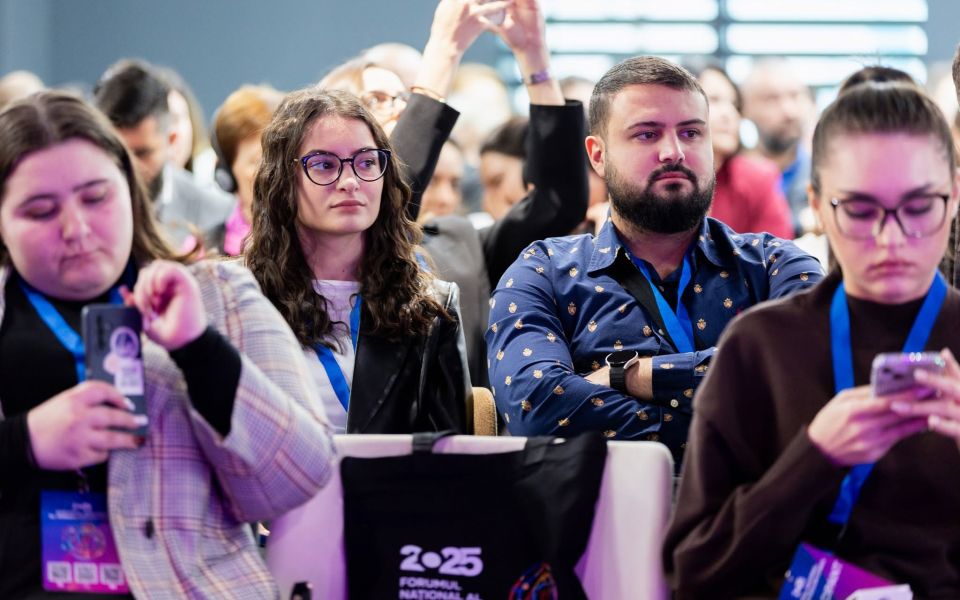
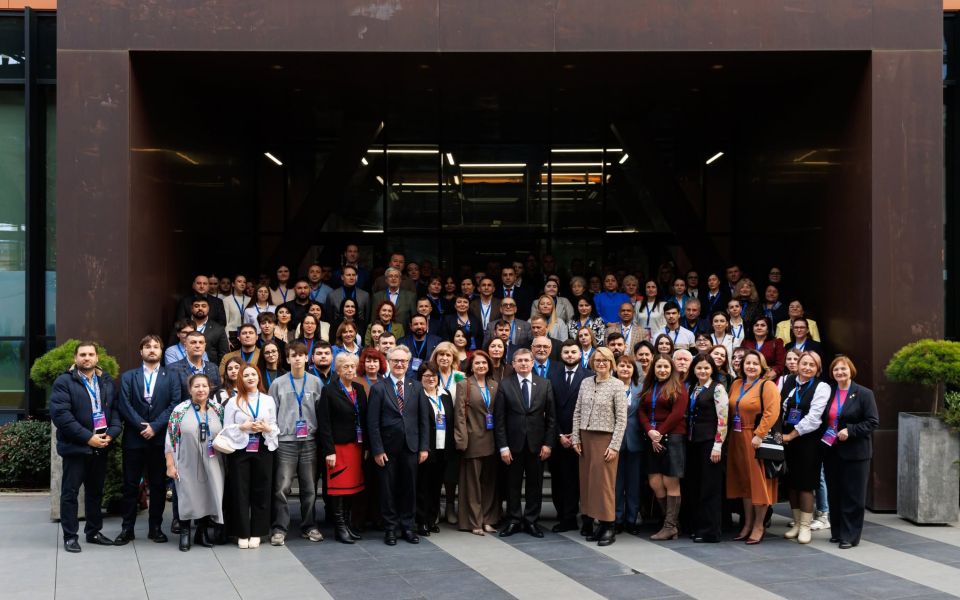
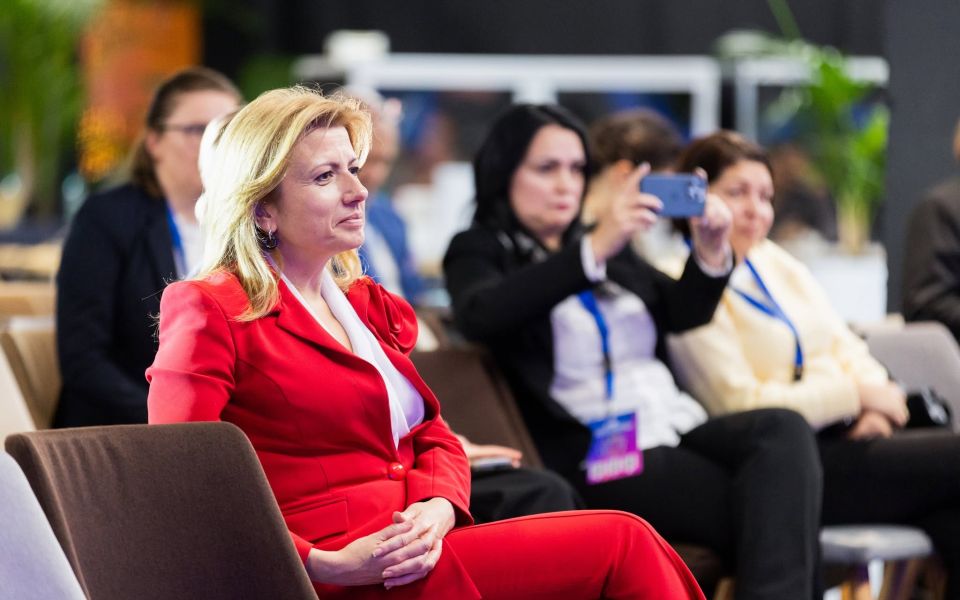
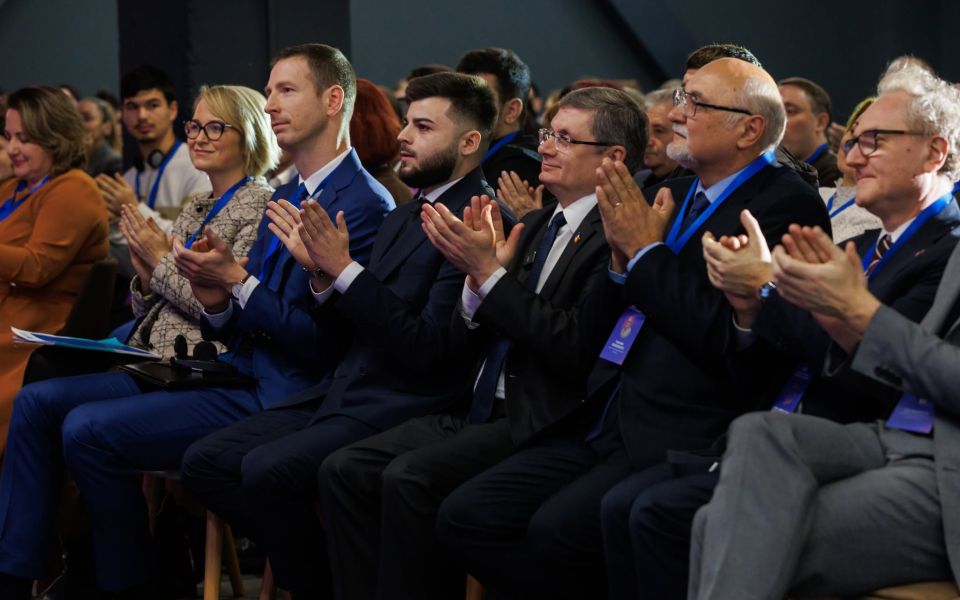
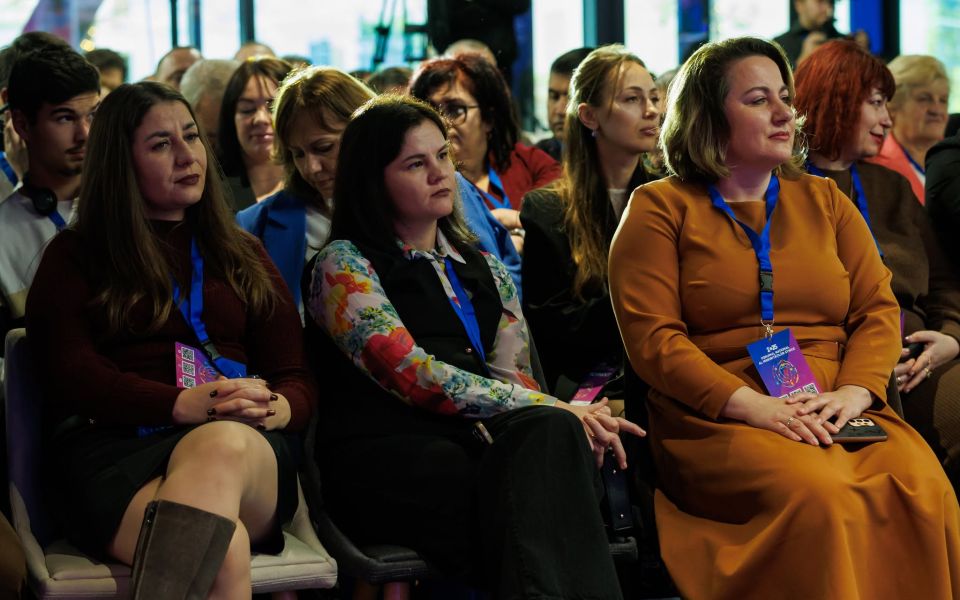
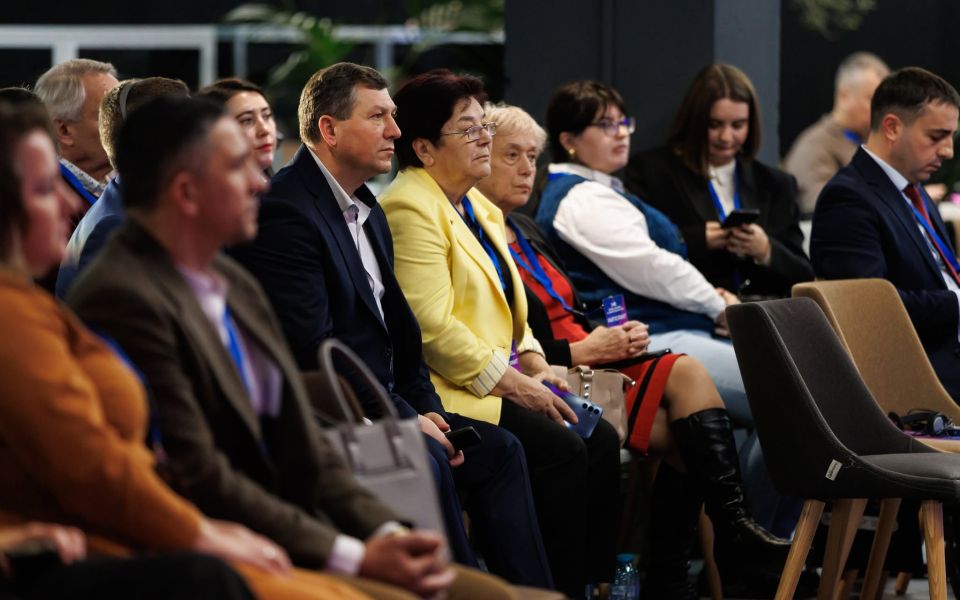
The Forum brought together approximately 300 participants representing different ethnic communities and regions of the Republic of Moldova. Participants included representatives of Moldovan/Romanian, Gagauz, Bulgarian, Ukrainian, Russian, Armenian, Azerbaijani, Roma and other communities, as well as representatives of central and local authorities, civil society and international organisations.
The participants came from 11 districts of the Republic of Moldova and Chișinău municipality, allowing the discussion on the situation of national minorities to extend beyond the capital and bringing the problems and expectations of regional communities to the national level.
The Forum as a platform for direct dialogue with the state
The programme was built around the principle that “the voice of minorities must be represented where decisions are made.”
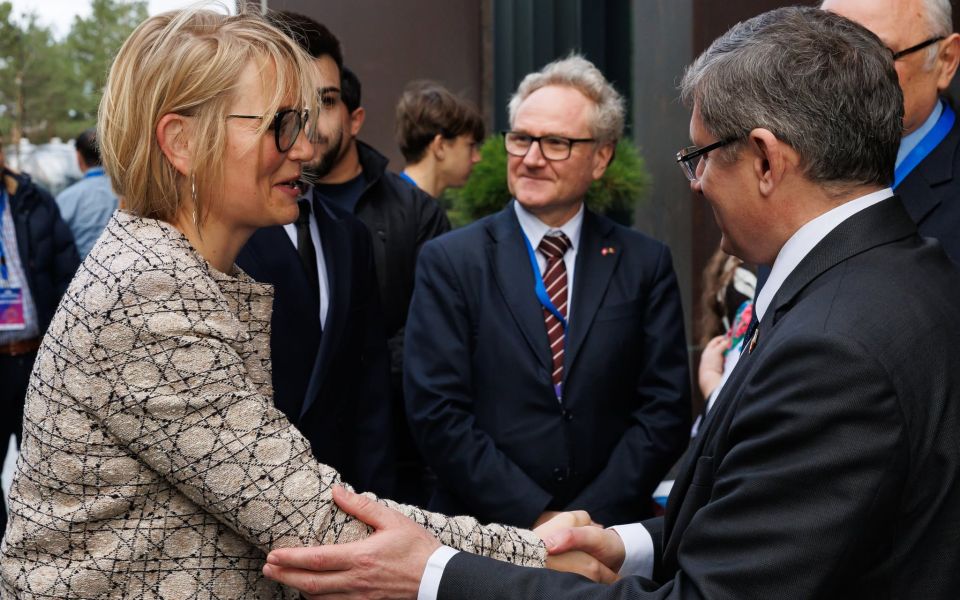
Representatives of the Parliament and Government of the Republic of Moldova, the Agency for Interethnic Relations, local public authorities, the diplomatic corps, international organisations and civil society took part in the Forum.
The opening of the Forum included a special musical interlude, “Muzica comunităților etnice,” performed by the Moldova National Youth Orchestra and Andriano Marian, symbolically highlighting the cultural diversity of the Republic of Moldova.
The programme included welcoming remarks from the leadership of ICPMN, the Swiss Cooperation Office in Moldova, the Delegation of the European Union, the Konrad-Adenauer-Stiftung, the Agency for Interethnic Relations and the civic initiative “Inițiativa Europeană”.
Another important part of the programme was a dialogue with the President of the Parliament of the Republic of Moldova on the topic “Democracy for All – Minority Participation in the Social and Political Life of Society.” The discussion focused on the political and public participation of national minorities and the need for their full representation in democratic processes.
Social cohesion and interethnic trust
The first major thematic block, “The Voice of Minorities for the State and Society,” focused on social cohesion, peace and interethnic dialogue.
Representatives of Armenian, Roma, Gagauz, Jewish and Bulgarian communities, together with international partners, discussed how sustainable connections between communities can be created in a multi-ethnic state and how existing lines of division can be overcome.
The discussion included representatives of the Swiss Cooperation Office, the Congress of Armenians of Moldova, the ROMNI Roma Women’s Platform, the Jewish community, the Bulgarian community, the “Vocea Romilor” Coalition and the Gagauz community.
One of the main conclusions was the need to move from the formal recognition of ethnic diversity towards the real participation of community representatives in public life and continuous dialogue between the state and minorities.
State policy regarding national minorities
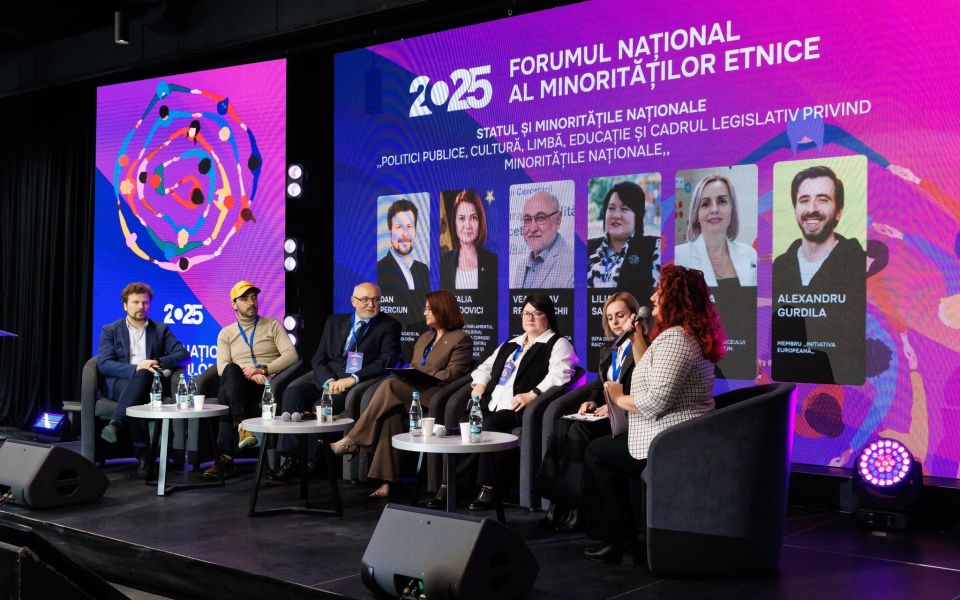
A separate panel focused on “The State and National Minorities.”
The discussion addressed state policy, culture, language, education and the legislative framework for protecting the rights of national minorities.
Participants included Moldova’s Minister of Education Dan Perciun, Member of Parliament Natalia Davidovici, the leadership of the Agency for Interethnic Relations and representatives of the education systems of Taraclia District and Gagauzia.
Education was one of the Forum’s most important topics. Discussions focused on preserving national minority languages, access to quality education, the integration of ethnic community representatives and the need to create conditions that ensure both the preservation of identity and full participation in the life of the Republic of Moldova.
The “Gagauzia – Chișinău” platform
At the same time, a separate “Gagauzia – Chișinău” platform was organised, focusing on dialogue, social cohesion and the current challenges facing the autonomy.
Representatives of Gagauzia’s local public authorities, civil society, the People’s Assembly and the Parliament of the Republic of Moldova took part in the discussion.
The programme included Comrat Mayor Serghei Anastasov, Ecaterina Jekova, Copceac Deputy Mayor Anatolii Talmach, Member of Parliament Alexandr Stoianoglo and local councillor from Cazaclia Elena Momat.
The creation of a separate platform made it possible to discuss relations between Comrat and Chișinău not only through political statements, but also through direct dialogue between representatives of the region, local authorities, civil society and national institutions.
Europe for national minorities
The European perspective of the Republic of Moldova held an important place in the programme.
The panel “Europe for National Minorities: European Standards and Democratic Norms on Minority Rights. What Is Missing in the Republic of Moldova?” focused on how European integration should be reflected in state policies regarding national minorities.
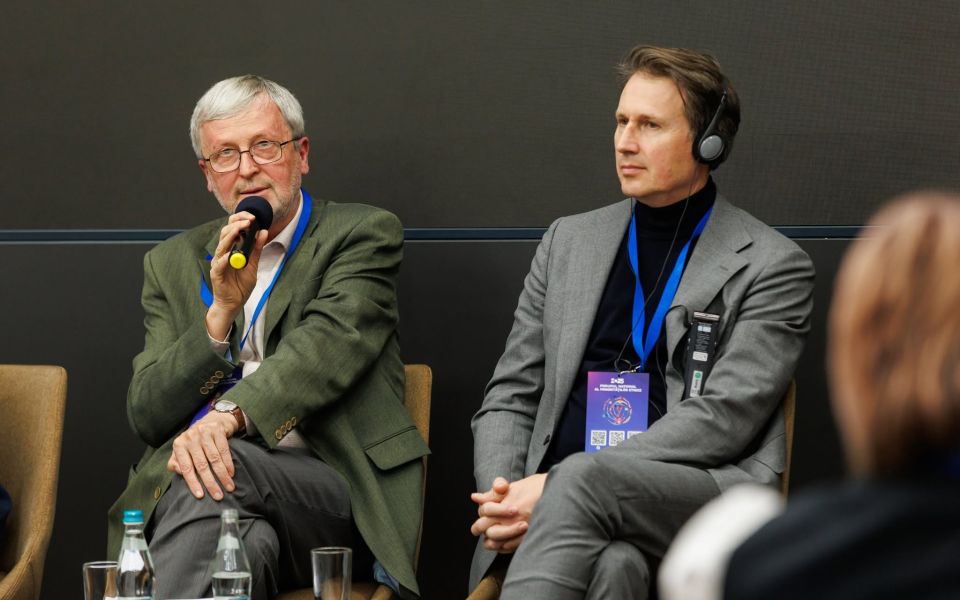
The discussion brought together representatives of the Delegation of the European Union, the ambassadors of the Netherlands and the Czech Republic, international experts and civil society representatives. Professor Fernand de Varennes, former UN Special Rapporteur on minority issues, also joined the discussion online.
Participants discussed European standards for minority protection, existing gaps in Moldova’s system and the need for national minorities to be viewed as an integral part of the European transformation of the Republic of Moldova.
Media, civil society and disinformation
A separate parallel discussion focused on the current risks posed by the information environment to ethnic communities.
Representatives of Parliament, the Centre for Strategic Communication and Countering Disinformation, independent media, academia, the German Marshall Fund and civil society discussed disinformation, propaganda, information security and the role of independent journalism.
The announced participants included Ana Revenco, Petru Macovei, Anghelina Gaidarji, Dr Dimitar Keranov, Rodica Panța and other experts.
Particular attention was paid to regions where national minorities live in compact communities, where language, media consumption patterns and limited access to independent local content create additional information vulnerabilities.
30 mayors from ethnic communities at the same table
For the first time, a separate Forum space was dedicated to local public authorities.
During the round table “Platforma autorităților publice locale,” 30 mayors from ethnic communities discussed local governance and regional development together with representatives of national institutions.
This format brought the problems of small towns and villages inhabited by national minorities to the national level and highlighted that social cohesion policies must be implemented not only by the central government, but primarily within local communities.
Women from ethnic communities
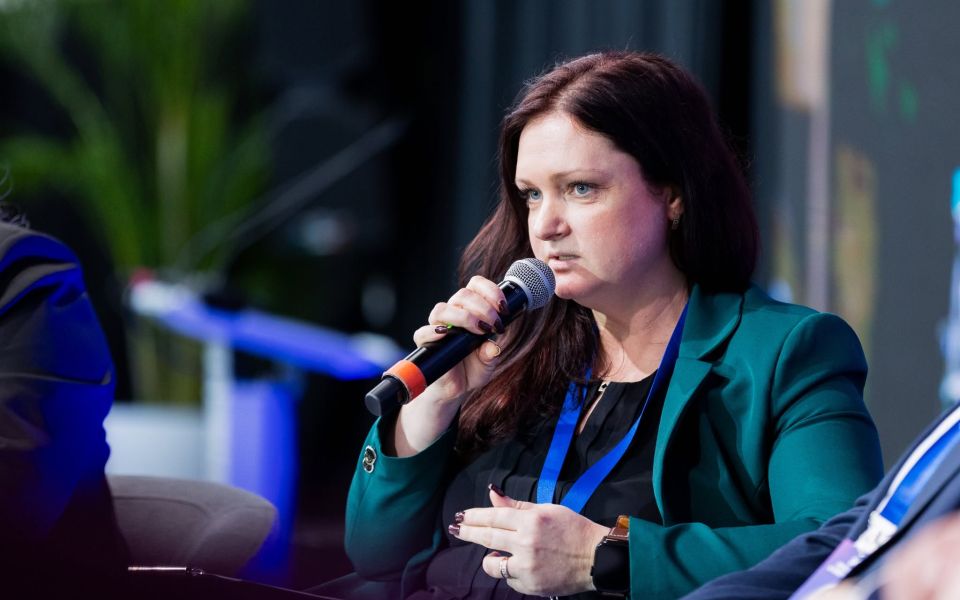
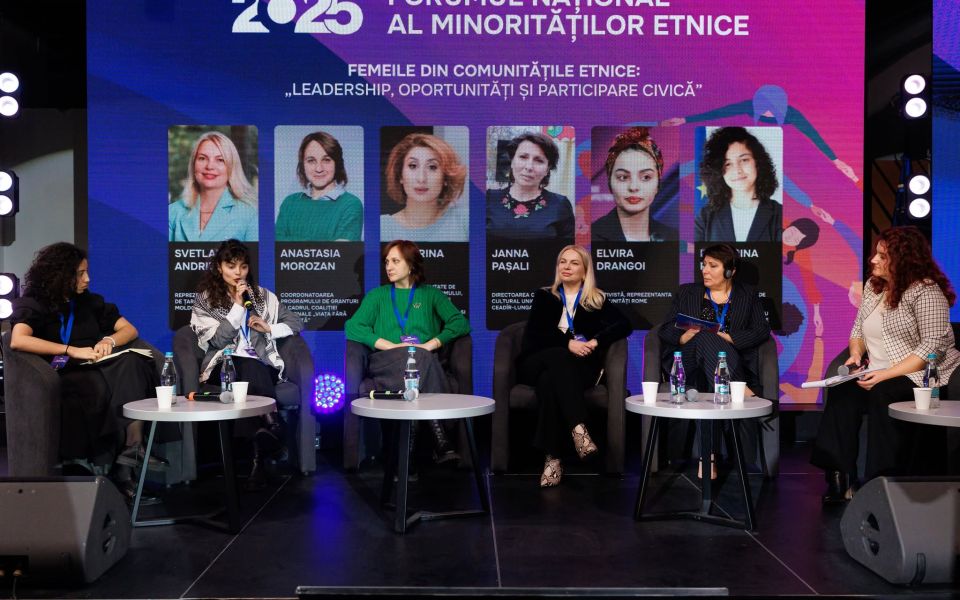
A separate panel, “Women from Ethnic Communities,” focused on leadership, equal opportunities and women’s civic participation.
Representatives of UN Women Moldova, civil society, the Equality Council, the Roma community and regional organisations discussed the barriers faced by women from ethnic communities and opportunities to expand their participation in decision-making processes.
The Forum underlined the need to examine the situation of women from national minorities through the combined perspectives of gender equality, ethnic identity, regional inequality and access to public opportunities.
Young people and the future of multi-ethnic regions
The final thematic block focused on the younger generation.
The panel “Youth from Ethnic Communities: Civic Engagement, Leadership and the Future of Multi-Ethnic Regions” brought together representatives of the National Youth Agency, the National Youth Council of Moldova and young regional leaders.
The discussion focused on creating more opportunities for young representatives of national minorities to participate civically, develop leadership skills and pursue professional growth, enabling them to gradually become the next generation of leaders in their regions.
Results of Forum 2025
The National Forum of Ethnic Minorities 2025 brought the issue of ethnic diversity beyond a narrowly specialised discussion and created a nationwide platform for direct interaction between communities and the state.
As a result of the Forum:
- approximately 300 participants from different regions of the country were brought together on one national platform;
- 9 ethnic groups were represented — Moldovans/Romanians, Gagauz, Bulgarians, Ukrainians, Russians, Armenians, Azerbaijanis, Roma and other communities;
- participants came from 11 districts of the Republic of Moldova and Chișinău municipality;
- representatives of ethnic communities had the opportunity to interact directly with representatives of Parliament, the Government, the Agency for Interethnic Relations and other state institutions;
- national and local authorities, international partners, civil society, journalists, educational institutions, young people and ethnic organisation leaders were involved simultaneously;
- 30 mayors from localities with ethnic communities took part in a separate dialogue on local governance and regional development;
- a separate “Gagauzia – Chișinău” platform was created to discuss relations between the autonomy and central institutions;
- issues concerning national minorities were directly linked to the process of European integration of the Republic of Moldova and European standards for minority rights protection;
- dedicated spaces were created to discuss the role of women and young people from ethnic communities;
- disinformation, propaganda and information resilience were included in the broader policy agenda concerning national minorities;
- following the discussions, the Resolution of the 2025 National Forum of Ethnic Minorities was prepared, bringing together the participants’ main conclusions and recommendations for continued dialogue with state institutions.
One important follow-up result of the dialogue was the continuation of discussions on access to educational opportunities for representatives of national minorities. Subsequently, the Ministry of Education launched a separate support programme for Roma youth, providing a practical example of moving from discussing existing barriers to implementing concrete measures.
Significance of Forum 2025
Forum 2025 demonstrated that policies concerning national minorities should not be limited solely to culture, traditions and the preservation of languages.
The contemporary agenda of national minorities includes democratic participation, education, effective local governance, European integration, information resilience, equal opportunities, the representation of women and young people, regional development and trust between the state and citizens.
For this reason, the National Forum gradually became not only an annual ICPMN event, but also a permanent national platform for dialogue between ethnic communities, the state and society.
Forum 2025 brought together at the same table those who shape public policy and those directly affected by it. It created a space where representatives of ethnic communities could not only speak about existing problems, but also participate in developing proposals to address them.
The Forum’s main result was the strengthening of the principle at the heart of the entire initiative: national minorities are not a separate group of observers of the Republic of Moldova’s development, but full participants in its democratic, social and European future.
Photo gallery