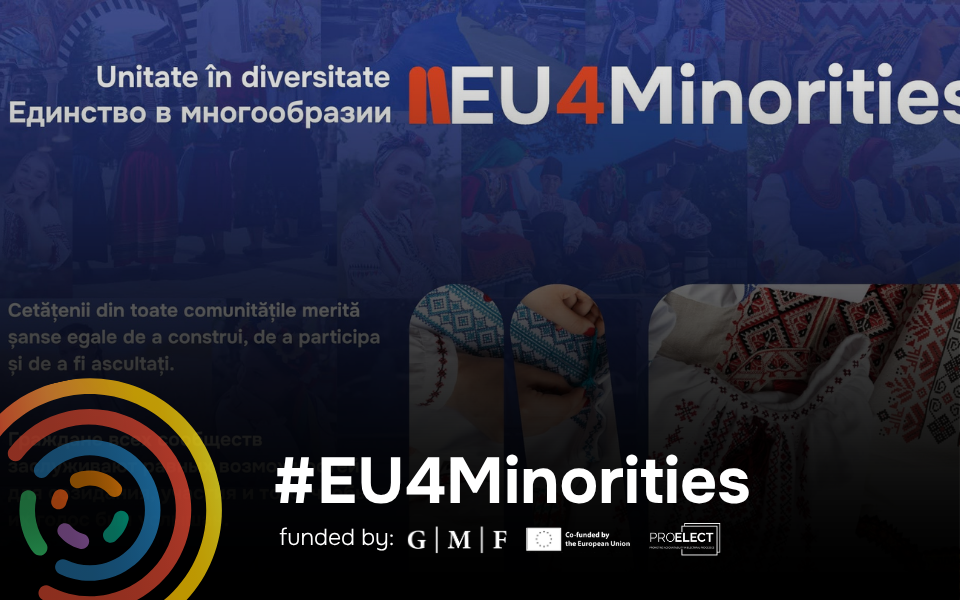
#EU4Minorities – Building Resilience to Disinformation and Strengthening Civic Participation
The “#EU4Minorities” project was implemented by the Centre for Civic Initiatives for National Minorities with the support of the German Marshall Fund and the European Union within the framework of the “ProElect” programme.
The problem addressed by the project: Ahead of the 2025 parliamentary elections in the Republic of Moldova, ethnic communities, particularly those in the regions of Gagauzia, Taraclia, Edineț and Rîșcani, were among the groups most vulnerable to disinformation, propaganda and hate speech.
The information environment in these regions is largely shaped by external and politically biased sources that spread manipulative narratives aimed at undermining trust in democratic institutions, distorting perceptions of European integration and influencing citizens’ electoral behaviour. Social networks and alternative media platforms have become the main channels for spreading false information, often without reliable alternatives available in a clear and accessible language for the local population.
An additional problem is the low level of media literacy and critical thinking among part of the population. This leads to the uncritical acceptance of information and turns citizens into passive consumers of propaganda. The lack of quality, adapted content in minority languages further increases this vulnerability.
As a result, an environment is created in which disinformation directly influences public opinion, political preferences and the level of participation in democratic processes, posing a risk to the fairness of elections and the resilience of democratic institutions.
The goal of the project was to strengthen the resilience of ethnic communities to disinformation, propaganda and fake news in the context of the 2025 parliamentary elections, as well as to increase civic engagement and trust in democratic processes through the development of media literacy and the creation of quality alternative content.
The project included a comprehensive information and educational campaign aimed at countering disinformation and encouraging civic participation. As part of the project, a large-scale media campaign was launched with the participation of local influencers, aimed at disseminating reliable information and increasing interest in social and political processes. More than 50 videos were created and distributed, focusing on European projects implemented in the regions and highlighting the concrete benefits of European integration for local communities. In total, the media campaign generated more than 1,300,000 views across all platforms.
In addition, educational videos and fact-checking rubrics were developed to expose disinformation, explain manipulation techniques and build critical information analysis skills. The content was actively distributed through social networks and national media, including Moldova 1 television, ensuring broad audience reach.
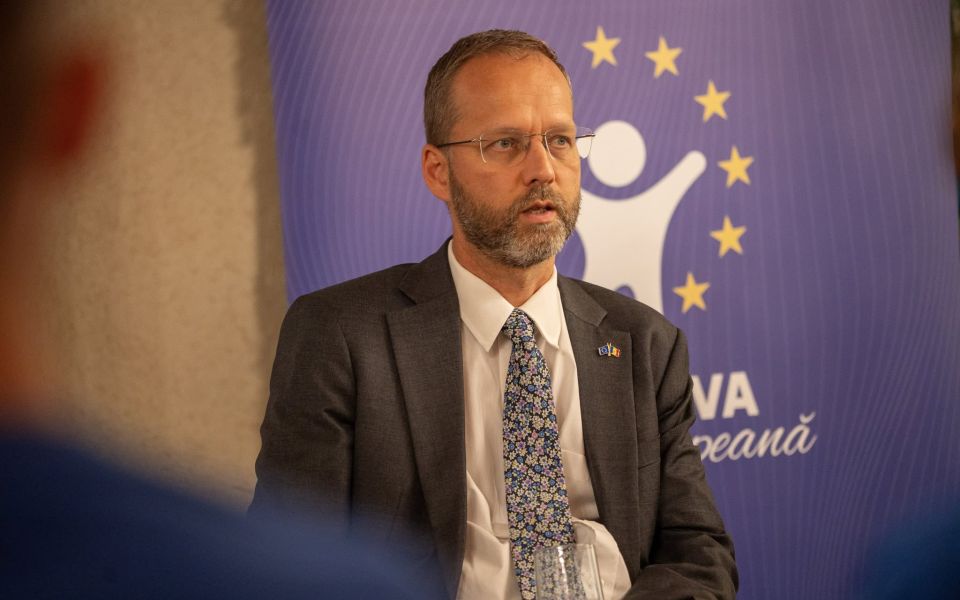
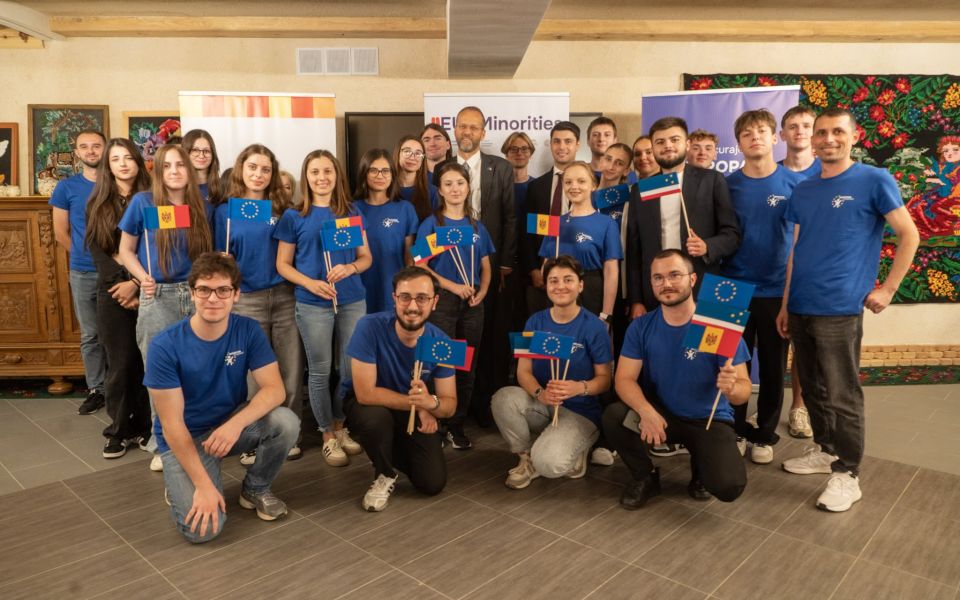
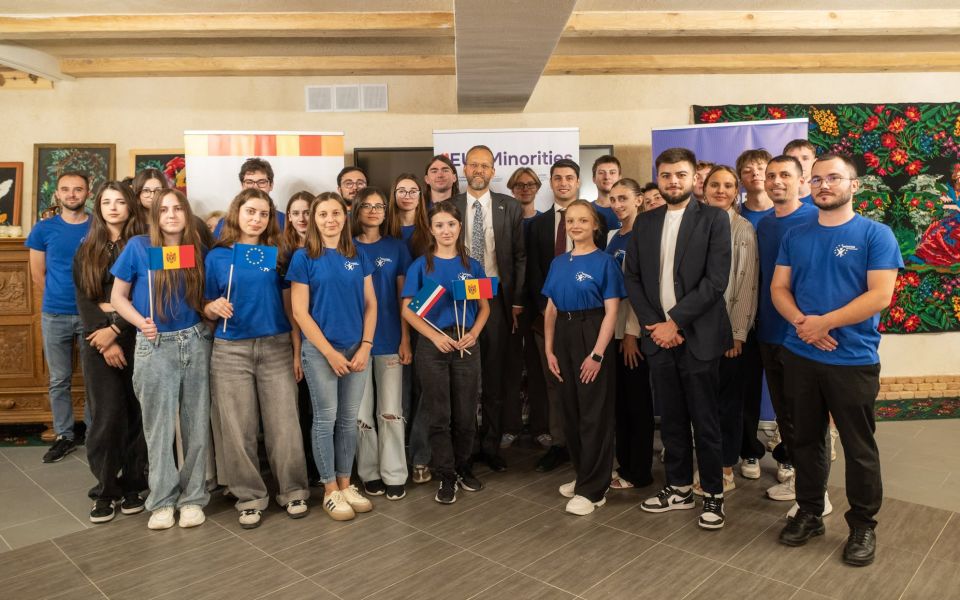
Public dialogues were an important part of the project: 7 open meetings were organised with the participation of experts, civil society representatives and local communities. These activities created a space to discuss current issues, exchange opinions and raise citizens’ awareness of democratic processes.
As a result of the project:
- awareness among ethnic communities of the risks of disinformation and methods of identifying it significantly increased;
- quality alternative media content was created and distributed in a clear and accessible language;
- thousands of representatives of ethnic minorities were reached through online and offline communication channels;
- media literacy and critical thinking among the target groups were strengthened;
- understanding of the benefits of European integration was increased through real examples of local projects;
- citizens’ participation in public discussions and democratic processes was encouraged;
- trust in independent information sources and democratic institutions was strengthened.
The project contributed to transforming part of the audience from passive consumers of information into active participants in public life, capable of critically assessing information flows and making informed decisions