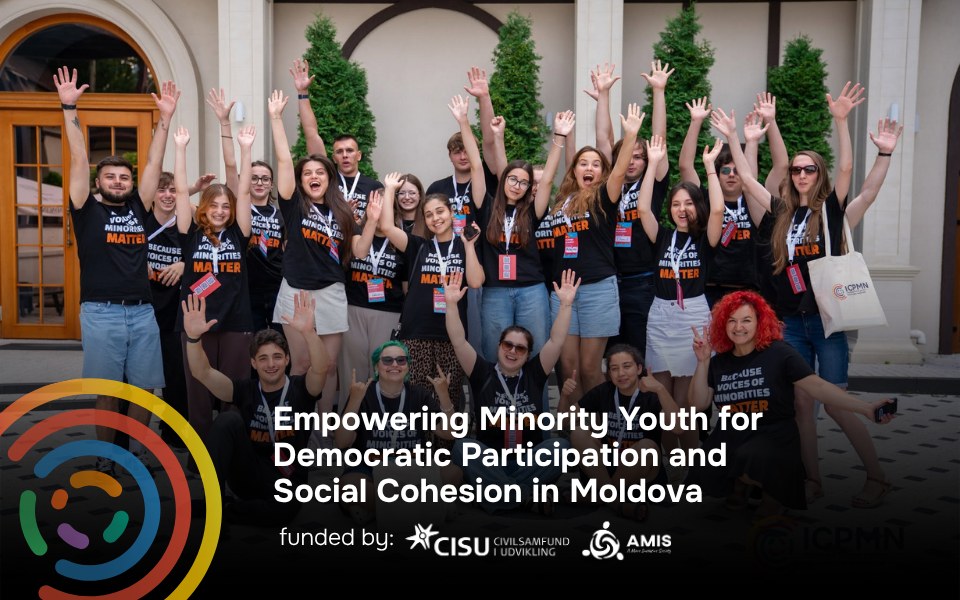
Empowering Minority Youth for Democratic Participation and Social Cohesion in Moldova
The “Empowering Minority Youth for Democratic Participation and Social Cohesion in Moldova” project is implemented by the Centre for Civic Initiatives for National Minorities (ICPMN), in partnership with the Danish organisation AMIS. A More Inclusive Society, with the support of CISU – Civil Society in Development under The Neighbourhood Fund.
The project will run for 15 months and aims to strengthen the democratic participation, leadership potential and social inclusion of young representatives of national, ethnic and linguistic minorities in the Republic of Moldova, particularly those living in rural and geographically remote regions of the country.
The problem addressed by the project: Young representatives of national minorities in the Republic of Moldova face a series of interconnected barriers that limit their participation in the country’s public and democratic life.
One of the main problems is unequal access to civic education and youth leadership opportunities. A significant number of such programmes and platforms are concentrated in Chișinău, while young people from Gagauzia, Taraclia and other rural regions have considerably less access to national educational programmes, professional networks and platforms for interaction with decision-makers.
The language barrier remains an additional obstacle. Many young representatives of national minorities primarily use Russian or the languages of their communities, while a significant number of civic participation mechanisms and educational opportunities operate mainly in Romanian. This limits access to information, creates additional distance between young people and public institutions and may intensify their sense of exclusion from national processes.
The low level of representation of minority youth in decision-making processes also remains a serious problem. Young people from ethnic communities rarely have continuous opportunities to interact directly with public authorities, civil society and other public actors, formulate their own proposals and participate in discussions about issues affecting the development of their regions.
At the same time, weak interaction between different ethnic and linguistic groups contributes to the persistence of social distance and stereotypes. In some regions, communities effectively exist in parallel, limiting the development of mutual trust and making society more vulnerable to polarising narratives.
Another significant challenge is the high vulnerability of young people in regions where national minorities live in compact communities to disinformation and media manipulation. Limited access to media literacy and critical-thinking tools creates additional risks for democratic resilience and social cohesion.
The project therefore addresses four key problems simultaneously: the low level of democratic participation and representation of minority youth, limited access to inclusive and multilingual civic education, weak interethnic interaction and high vulnerability to disinformation.
The objective of the project is to expand opportunities for young representatives of national, ethnic and linguistic minorities in the Republic of Moldova to participate fully in democratic and public life, develop their leadership potential, strengthen interethnic dialogue and increase their resilience to disinformation.
In the long term, the project aims to develop a generation of young leaders capable of independently representing the interests of their communities, interacting with state institutions, initiating social change and contributing to the development of more inclusive and resilient local communities.
The project provides for a comprehensive youth leadership development programme built on the principle of learning → mentoring → participation → own initiatives → international exchange → a sustainable community of young leaders.
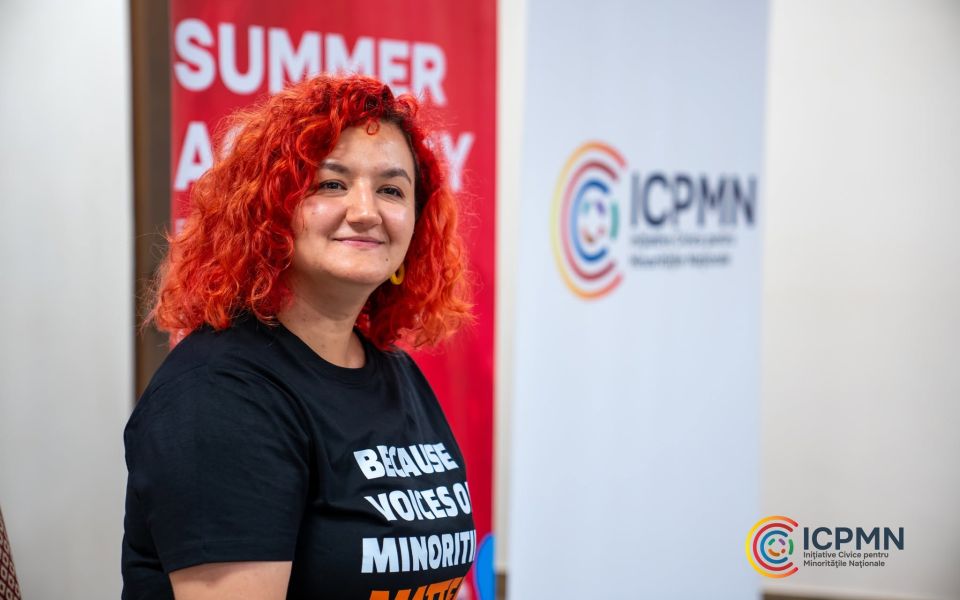
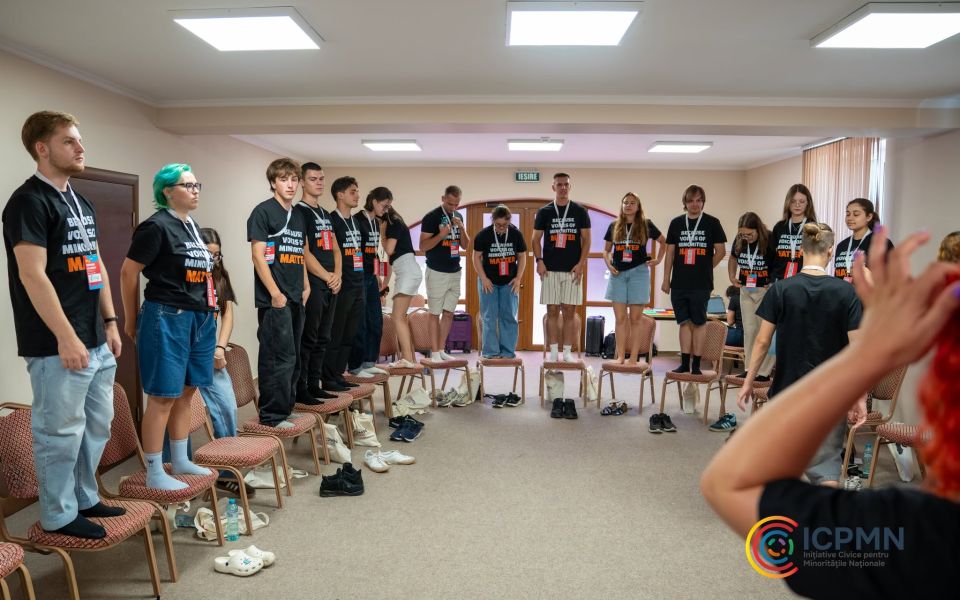
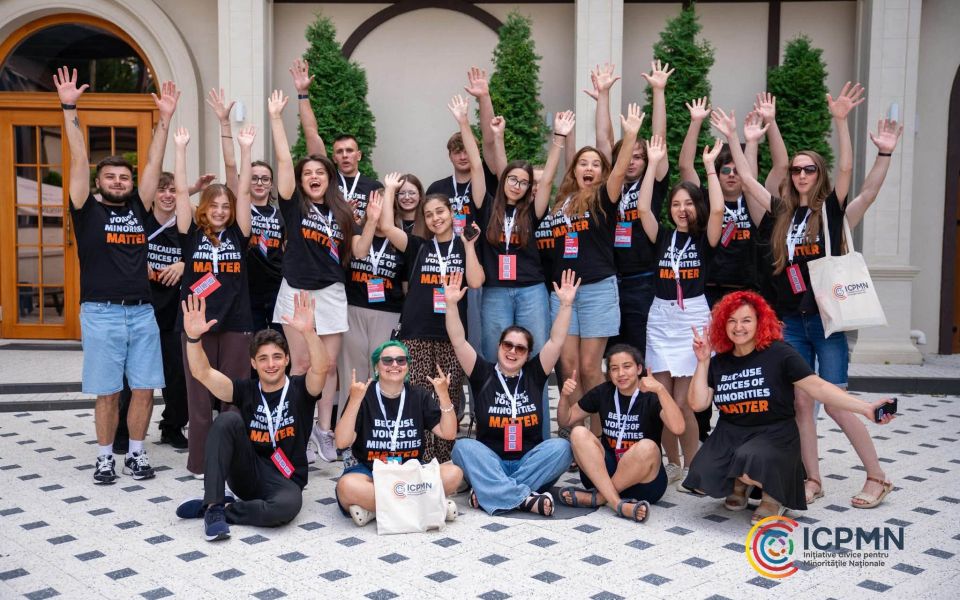
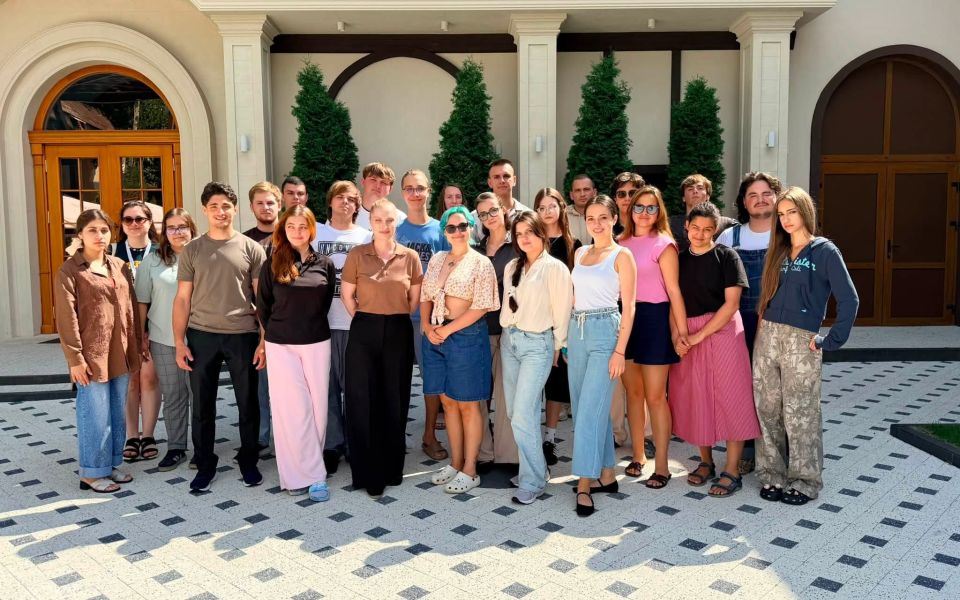
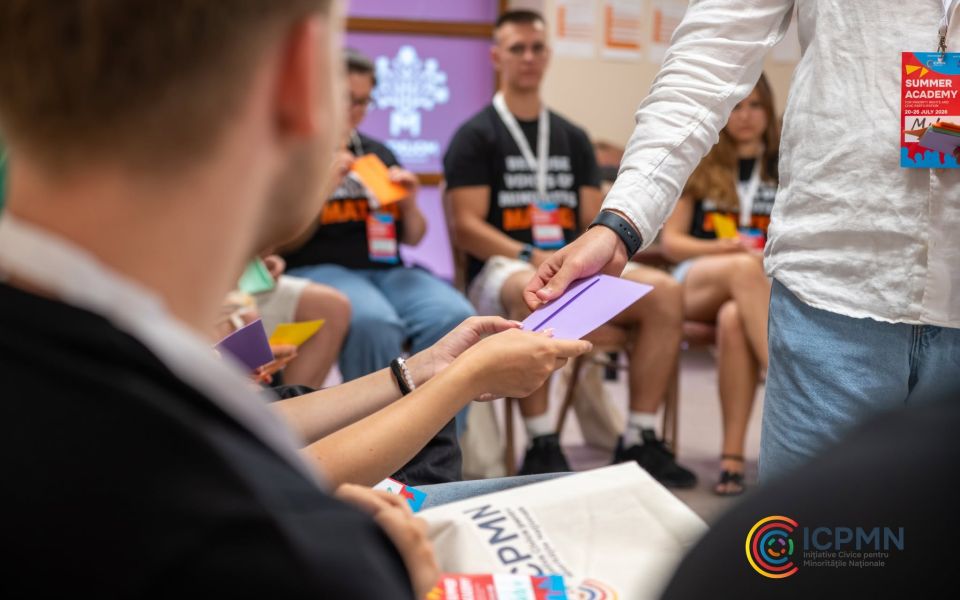
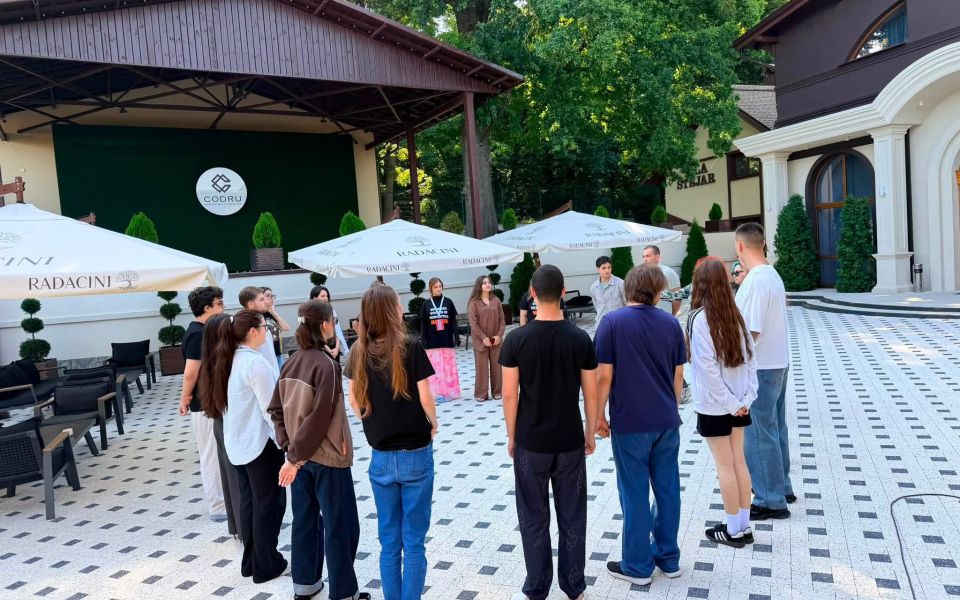
One of the project’s central components will be a seven-day Summer Academy on Minority Rights, Democracy and Participation, involving 25 young representatives of national minorities. The Academy will be organised as a multilingual and inclusive educational space and will focus on democracy, human rights and minority rights, civic participation, leadership, advocacy, critical thinking and media literacy.
Following the Academy, participants will not only gain theoretical knowledge but will also develop their own plans for continued civic participation — Youth Engagement Roadmaps — which will help them determine how the knowledge acquired can be applied in their communities.
A distinctive feature of the project is that the work with participants will continue after the educational stage. A system of mentoring and coaching sessions will be organised for graduates to support their continued professional and civic development.
At the same time, a Minority Youth Network will be developed, bringing together young leaders from different regions and ethnic communities of the Republic of Moldova. It will become a space for exchanging experiences, mutual support, joint initiatives and continued interaction among programme graduates.
Another important component of the project will be the National Minority Youth Forum, which will bring together between 100 and 150 young participants, as well as representatives of public authorities, civil society, local communities and the media.
The Forum will create a national platform where young representatives of minorities can discuss current issues, participate in panel discussions, workshops and debates and interact directly with decision-makers.
One of the Forum’s results will be the development of a Youth Declaration / Policy Recommendations document containing proposals from young representatives of ethnic communities for improving youth policies, participation mechanisms, social cohesion and interaction between communities and state institutions.
The recommendations will be presented to local and national authorities and distributed through partner organisations and the media.
The transition from educational activities to participants’ independent actions in their local communities is of particular importance to the project.
The programme will establish a mechanism to support 4–6 youth-led community initiatives developed and implemented by young people themselves.
Approximately 20–30 programme graduates will participate in the initiative teams. The projects may focus on developing interethnic dialogue, conducting civic and information campaigns, engaging young people, promoting cultural cooperation and social cohesion and addressing specific problems faced by local communities.
This approach will allow participants to complete the entire journey from acquiring knowledge to independently implementing a civic initiative: identifying a problem in their community, forming a team, developing a solution, interacting with local partners and implementing their own project.
The local initiatives are expected to directly reach more than 500 residents, while over 200 additional young people will be engaged or informed through the alumni network, communication activities and dissemination of the project’s results.
A separate component will be a study visit to Denmark, involving 6–8 young leaders.
During the visit, participants will learn about Danish models of youth participation and democratic citizenship, meet youth organisations and municipalities and study practices of interaction between young people, civil society and public institutions.
After returning, participants will analyse the experience gained and determine which approaches can be adapted to the context of the Republic of Moldova.
The Moldovan-Danish partnership itself is also an important element of the project. ICPMN contributes an in-depth understanding of the local context, trusted relationships with ethnic communities and young people, regional networks and the direct implementation of activities in Moldova. AMIS contributes international experience, European approaches to youth democracy, participatory methodologies and support for international exchange.
The project therefore combines local ownership and international learning, allowing European practices to be adapted to the real needs of young representatives of national minorities in the Republic of Moldova.
The project places particular emphasis on inclusion. Its target group consists of young people approximately 16 to 30 years old from Gagauz, Bulgarian, Ukrainian, Roma, Russian-speaking and other communities, primarily those living in rural and geographically remote regions.
The project provides for gender-balanced participation and pays particular attention to young people facing additional barriers, including economic marginalisation, linguistic exclusion, limited mobility or membership in stigmatised groups.
The following results are expected from the project:
- 25 young representatives of national minorities will complete an intensive Summer Academy on democracy, human rights, leadership and civic participation;
- participants’ civic knowledge, confidence in their leadership abilities, media literacy and critical thinking will be strengthened;
- a mentoring system and individual Youth Engagement Roadmaps will be created for graduates;
- a sustainable Minority Youth Network will be established, bringing together young leaders from different ethnic groups and regions of the country;
- a National Minority Youth Forum will be organised with the participation of 100–150 young people;
- a Youth Declaration / Policy Recommendations will be developed and presented to local and national authorities;
- direct interaction between minority youth, civil society and decision-makers will be strengthened;
- 4–6 youth initiatives will be supported and implemented in the regions of the Republic of Moldova;
- approximately 20–30 young people will gain practical experience in independently developing and implementing civic projects;
- more than 500 residents of local communities will be reached through local initiatives;
- over 200 additional young people will be engaged through the Alumni Network, the dissemination of results and the examples set by programme participants;
- 6–8 young leaders will participate in a study visit to Denmark and learn about European models of democratic youth participation;
- Danish youth participation practices will be analysed and adapted to the Moldovan context;
- the resilience of young representatives of national minorities to disinformation and manipulative and polarising narratives will be increased;
- cooperation between young representatives of different ethnic communities, local authorities, civil society and international partners will be strengthened.
The “Empowering Minority Youth for Democratic Participation and Social Cohesion in Moldova” project goes beyond the traditional model of youth education. Its purpose is not only to provide young people with knowledge, but also to create a complete pathway for their continued civic development — from their first educational experience to the independent implementation of civic initiatives and participation in national dialogue.
Instead of isolated activities, the project creates a sustainable system: Summer Academy → Mentoring → Minority Youth Network → National Forum → Policy Recommendations → Youth-led Initiatives → International Exchange.
Through this process, young representatives of national minorities will gain not only knowledge, but also a network of contacts, mentoring support, opportunities to interact directly with decision-makers, practical experience in implementing their own initiatives and access to international experience.
In the long term, the project will contribute to the development of a new generation of young civic leaders from national minorities who are not isolated within their own ethnic or linguistic communities but are actively involved in the democratic life of the Republic of Moldova.
The project’s main expected impact is more active participation of minority youth in the country’s public and democratic life, stronger interethnic trust and the emergence of a sustainable network of young leaders capable of independently creating change in their communities and contributing to a more inclusive, cohesive and democratically resilient Republic of Moldova.