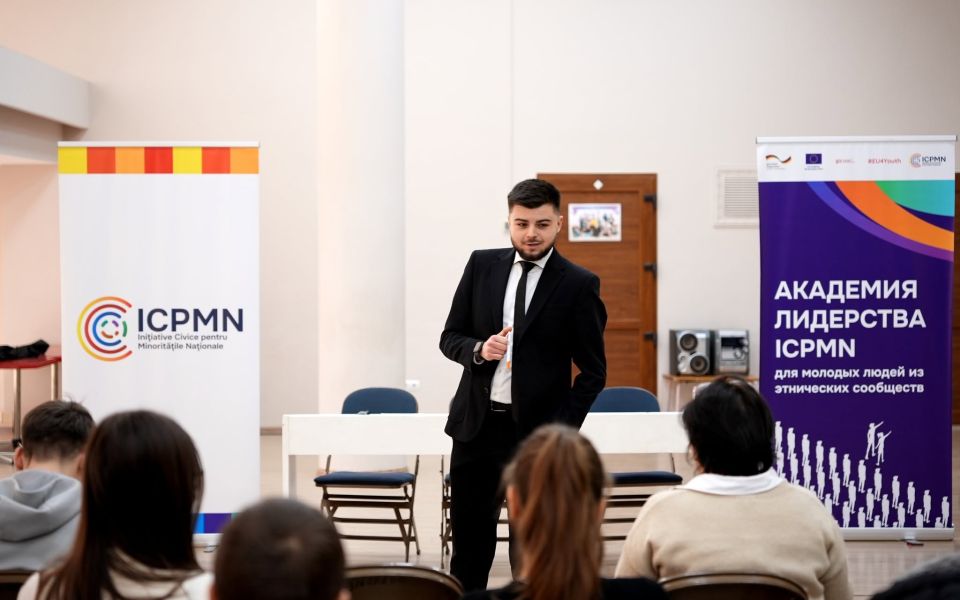
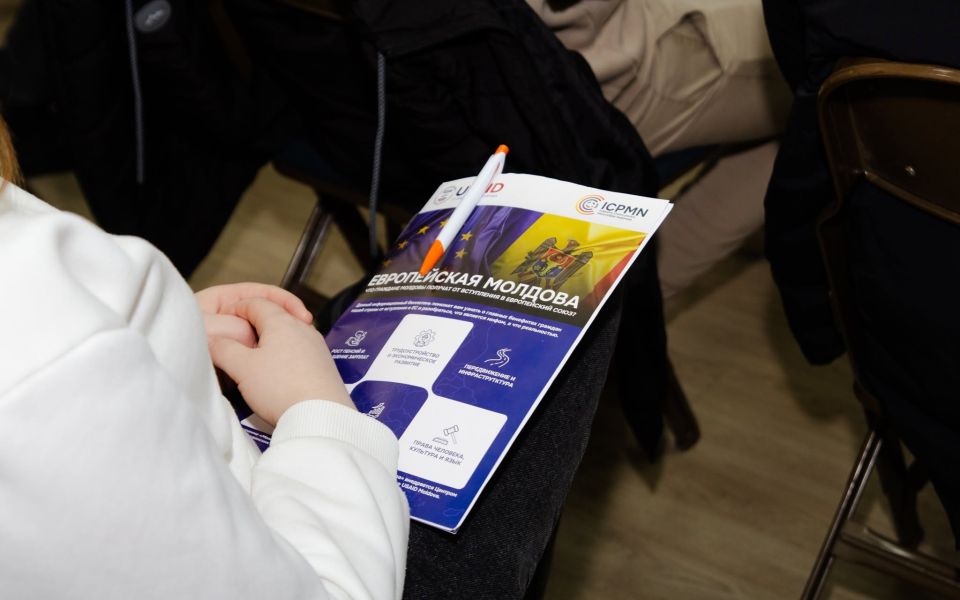
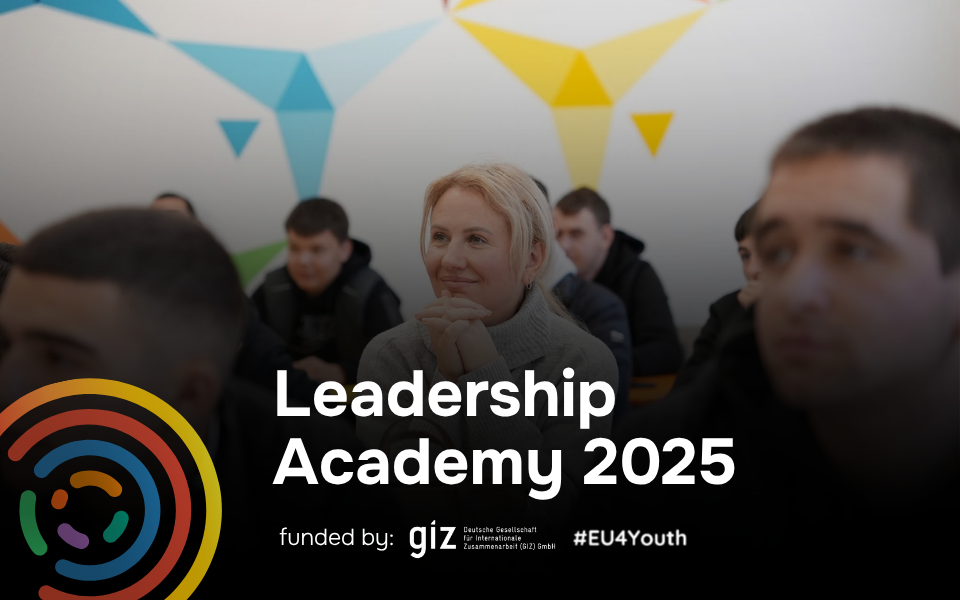
The “Leadership Academy 2025” project is implemented by the Centre for Civic Initiatives for National Minorities, with the support of GIZ Moldova and the contribution of the European Union within the framework of the #EU4Youth programme.
The problem addressed by the project: The southern regions of the Republic of Moldova—the Autonomous Territorial Unit of Gagauzia, Taraclia and Basarabeasca districts—where ethnic, national and linguistic minorities are predominant, face a number of structural problems that affect youth development and their participation in public life.
One of the key problems is the lack of young leaders capable of representing the interests of their communities, initiating change and participating in decision-making processes. Young people in these regions have limited access to quality information, educational opportunities and leadership development programmes.
Additional challenges include insufficient knowledge of the state language, which limits participation in national processes, as well as high exposure to disinformation and propaganda, which shape a distorted perception of democratic processes and European integration.
As a result, young people from ethnic communities often remain socially and politically passive and are insufficiently involved in the development of their regions and the country as a whole.
The objective of the project is to build a new generation of young leaders from Moldova’s ethnic minorities who are capable of actively participating in public, civic and political life, promoting democratic values and contributing to the development of their communities.
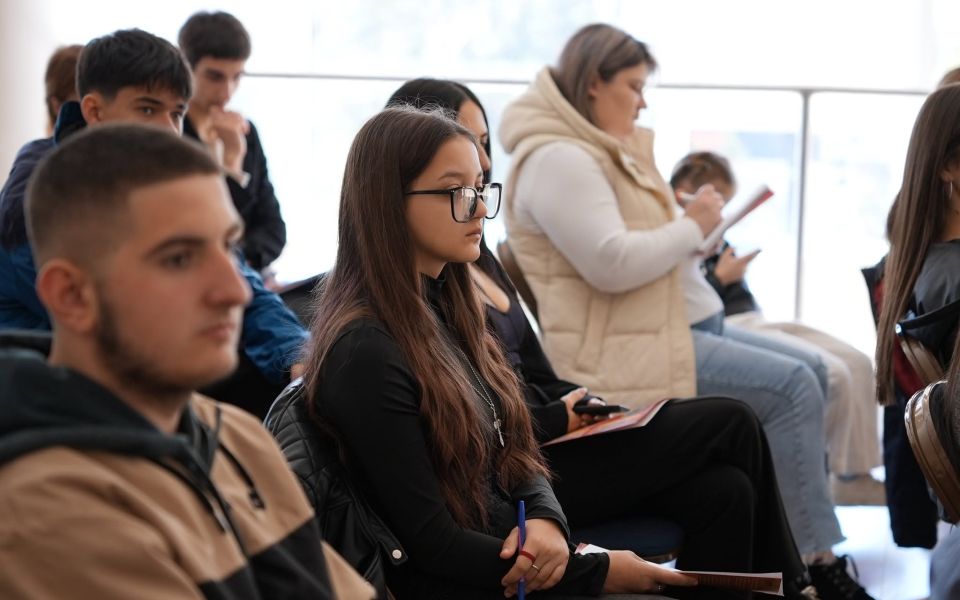
The project involved 100 young people from Gagauzia, Taraclia and Basarabeasca, who received systematic training and took part in practical activities. As a result, 3 initiative groups were established—one in each region—which became platforms for implementing local ideas and projects aimed at developing their communities.
The project implemented a comprehensive programme aimed at the overall development of young people from ethnic communities and at building practical skills for participation in public and civic life.
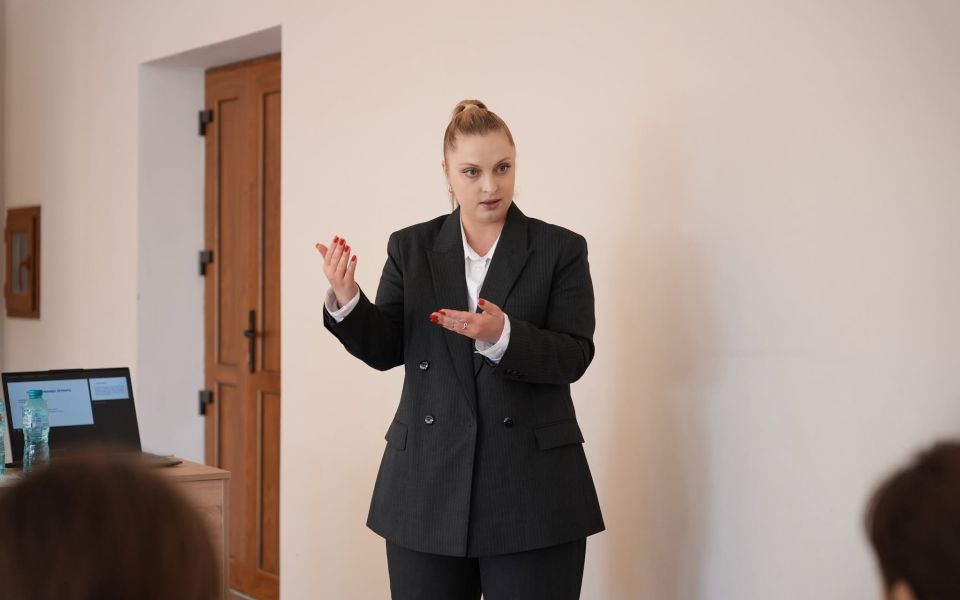
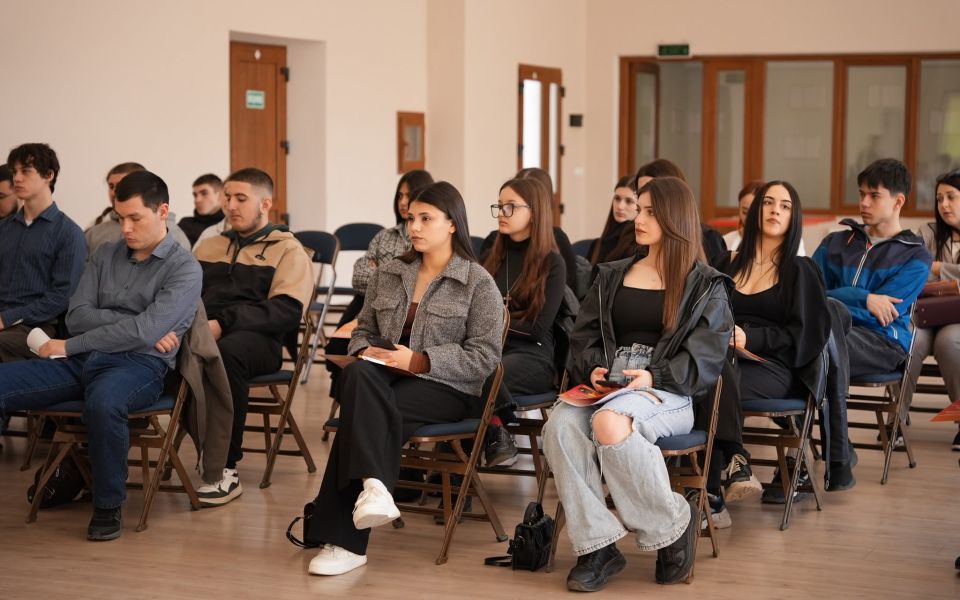
During the project, 15 educational training sessions were organised, covering key areas such as civic activism, democratic processes, media education, public participation, leadership and project management. These trainings enabled participants not only to gain theoretical knowledge, but also to develop the practical skills needed to play an active role in their communities.
An important part of the project consisted of 7 study visits to Chișinău, during which participants visited key state and institutional structures. These visits helped young people better understand how public authorities function and establish direct dialogue with government representatives, significantly reducing the barriers between young people from the regions and central institutions.
Particular attention was paid to supporting youth initiatives. Participants received financial and mentoring support to implement their own projects, allowing them to apply the knowledge they had gained in practice and see the concrete results of their work.
In addition, interactive sessions were organised to develop critical thinking and increase resilience to disinformation—an especially important goal in today’s information environment.
As a result of the project, a group of 100 young leaders was created. They possess the knowledge, skills and motivation needed to participate actively in public and democratic life.
The level of engagement of young people from ethnic minorities in civic processes increased significantly, as did their understanding of how the state functions and how they can influence decision-making.
The 3 regional initiative groups created within the project continue their activities after its completion by implementing local initiatives and involving other young people in active public life.
Project participants demonstrated a high level of media literacy and resilience to disinformation, contributing to the development of a more informed society with stronger critical-thinking skills.
The project also contributed to strengthening links between young people from the regions and central authorities, reducing the social and informational isolation of ethnic communities and creating an active youth environment focused on development, cooperation and the promotion of democratic values in the Republic of Moldova.